Table of Content
Whichever method you choose, make sure you’re careful not to damage the spring or yourself in the process. You will need to use the removal procedure in reverse order to do this. One tip to remember when reinstalling is that it is a lot easier to first place the bottom bolts in. This helps to support the strut before installing the rest of the bolts to secure the strut to the car.
The No Spring Compressor Method is a way of disassembling your shock assembly without the use of a spring compressor tool. In your coilover/shock assembly, you have a spring that is compressed by a shock between the upper and lower perches, which are connected to the shock. This assembly of shock and spring can be mounted to the frame of the vehicle and then to the lower control arm . The perches may look different from depending on the type of shock assembly you have, but they serve the same purpose with some models offering some level of adjustability. If your car has coil springs instead of struts, you can use a coil spring compressor to safely compress the spring. You can buy a coil spring compressor at most auto parts stores.
Building your own spring compressor is possible, if done carefully
First, you will need to find a way to secure the strut in place. This can be done by placing a piece of wood or a block of concrete underneath the strut. As you can see, learning how to lower a car suspension is an easy process; even changing the entire suspension system is something just about anyone can do. The key to this procedure is to have all the necessary tools nearby. Depending on how lower the new shorter springs are, it might be necessary to compress the spring once more before you can reinstall the nut. Should this be the case, all you have to do is compress the spring until it enables you to install the nut.
As the spring settles, ride height decreases and causes undesirable changes in wheel alignment. Springs typically last a long time and, in some cases, can even last the lifetime of the vehicle. However, that doesn’t mean springs don’t wear and become worn out over time.
Can you retension a spring?
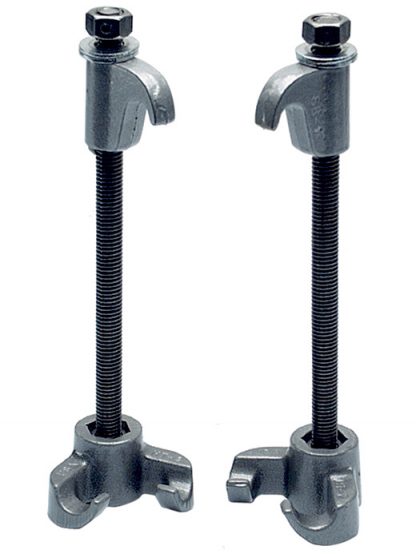
The ones I own are probably 40 years old, high quality, American made, and the claws are plenty long enough to wrap around the spring and hold it. I see that some of the new ones now being sold address the slippage issue by having pins that lock the claws in place around the spring. Use the strut spring compressor to compress the spring.
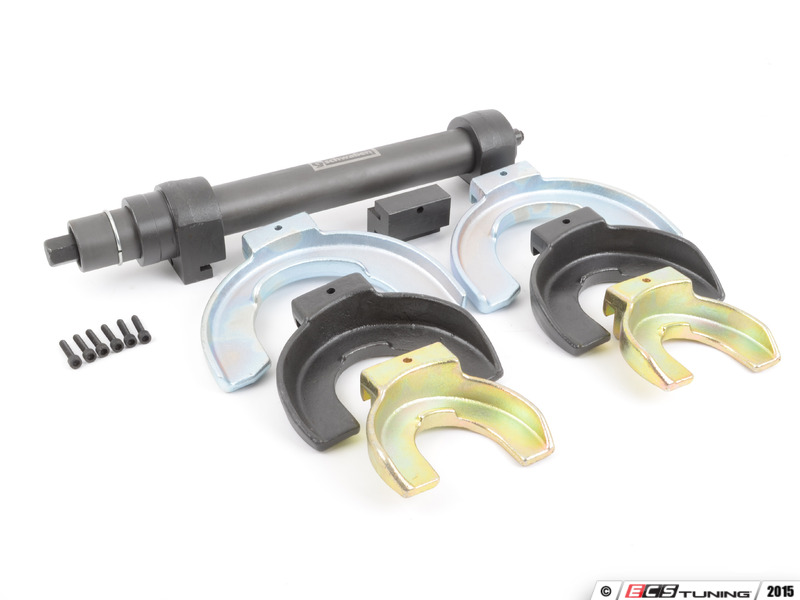
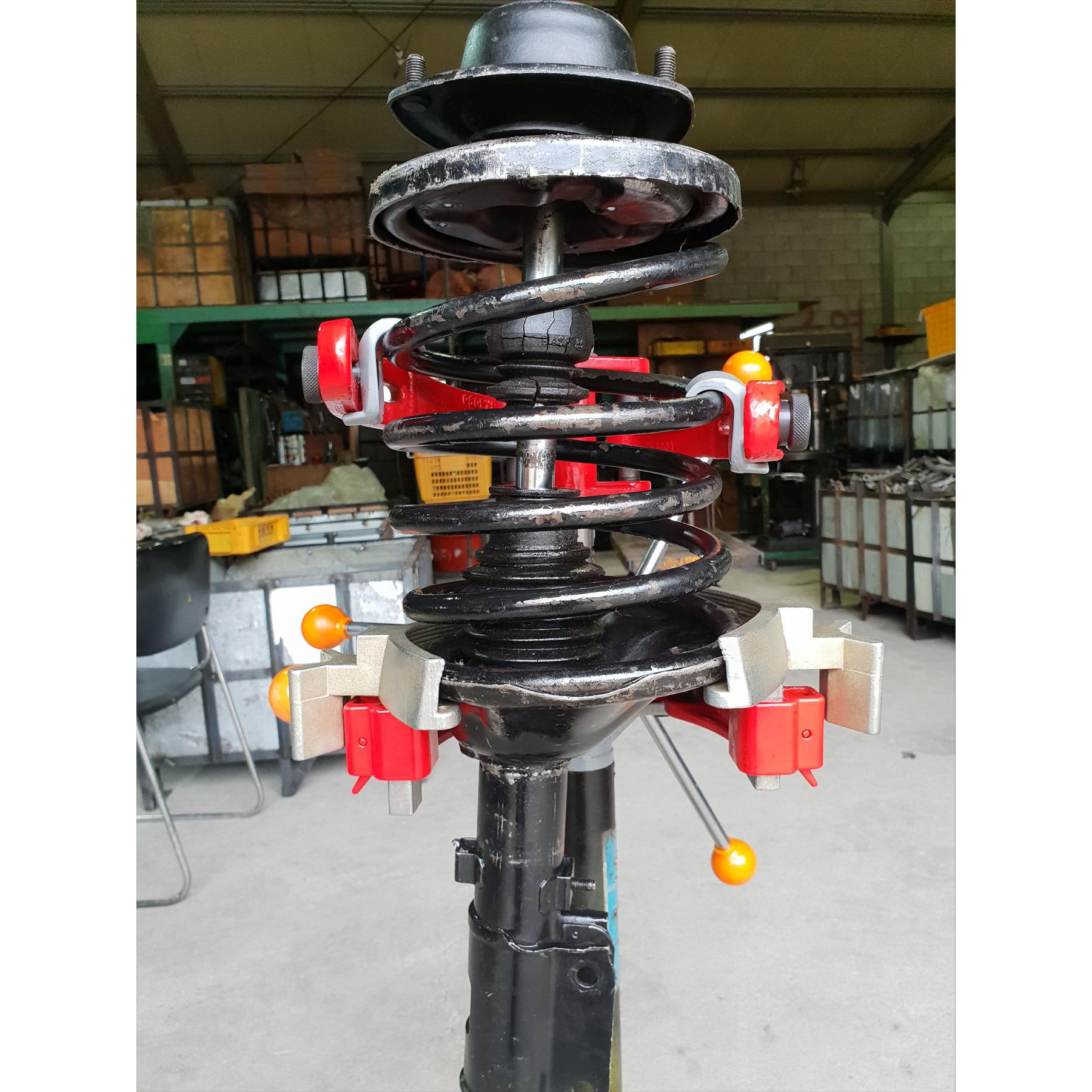
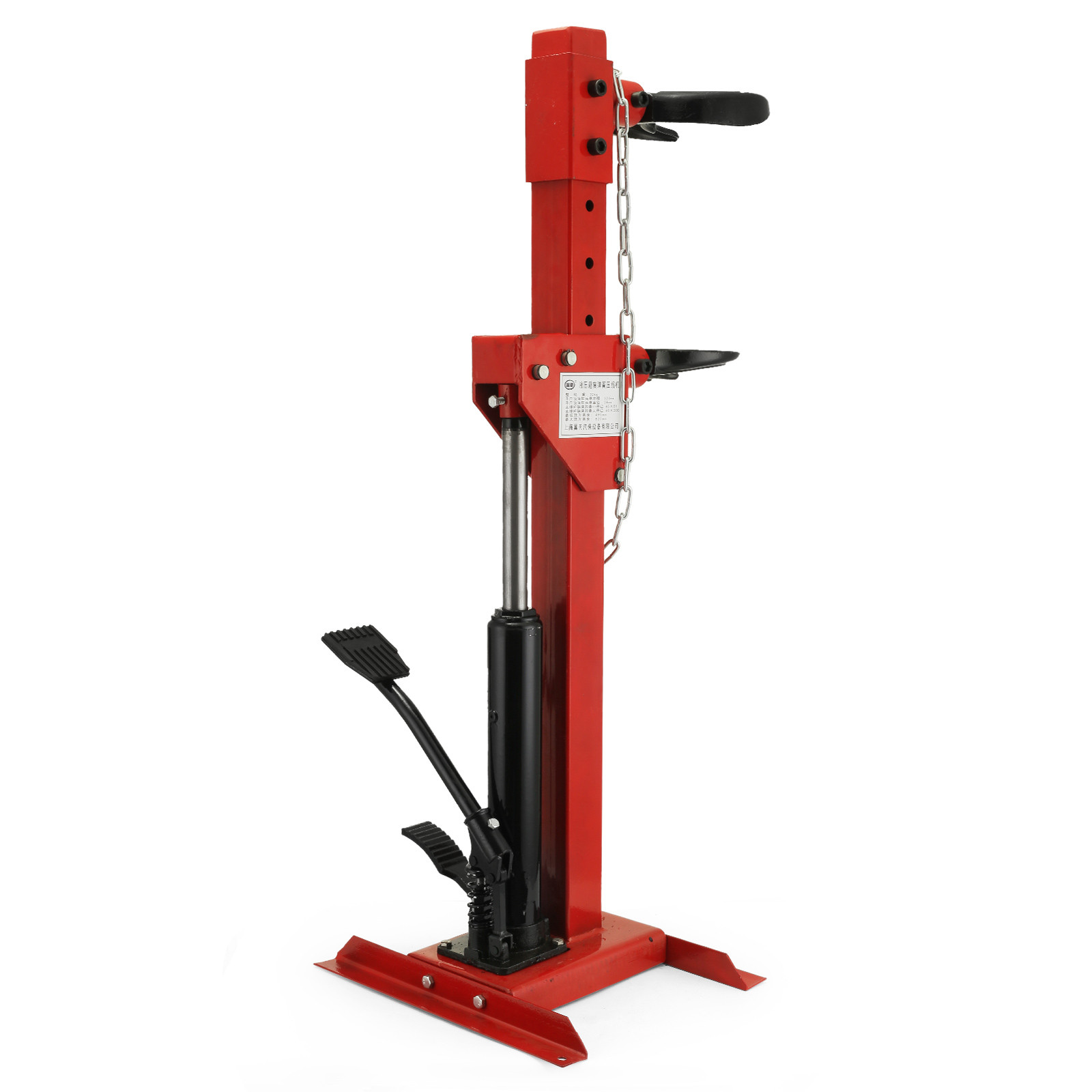
This drop forged enamel coil spring compressor can be used on various passenger and light commercial vehicles. The second is a big mechanically-cranked plate compressor that resembles an old-style tire-changing jack with two twisted plates on it. You crank it open, insert the plates between the coils of the spring, and crank it closed, pulling the plates together and thereby compressing the spring. I use this one unless there’s some reason I can’t, such as the spring being too big or small to fit between the plates. After a couple of disasters using cheap spring compressors, we bought this Branick 7600 wall/mobile-mount spring compressor to avoid future emergency dental work. To test it in a working environment, we went to Aldan American in Carson, California, where they've assembled thousands of struts and coilovers every year since 1981.
How do you make a spring compress easier?
It is more expensive than the hook style tool, but the extra money spent is more than compensated by the savings achieved by “doing it yourself”. Coil springs are tightly wound and under extreme pressure and there is a high risk of personal injury if replacement is not performed correctly. Shock absorber replacement on vehicles today are more like struts; they have coil springs surrounding them.
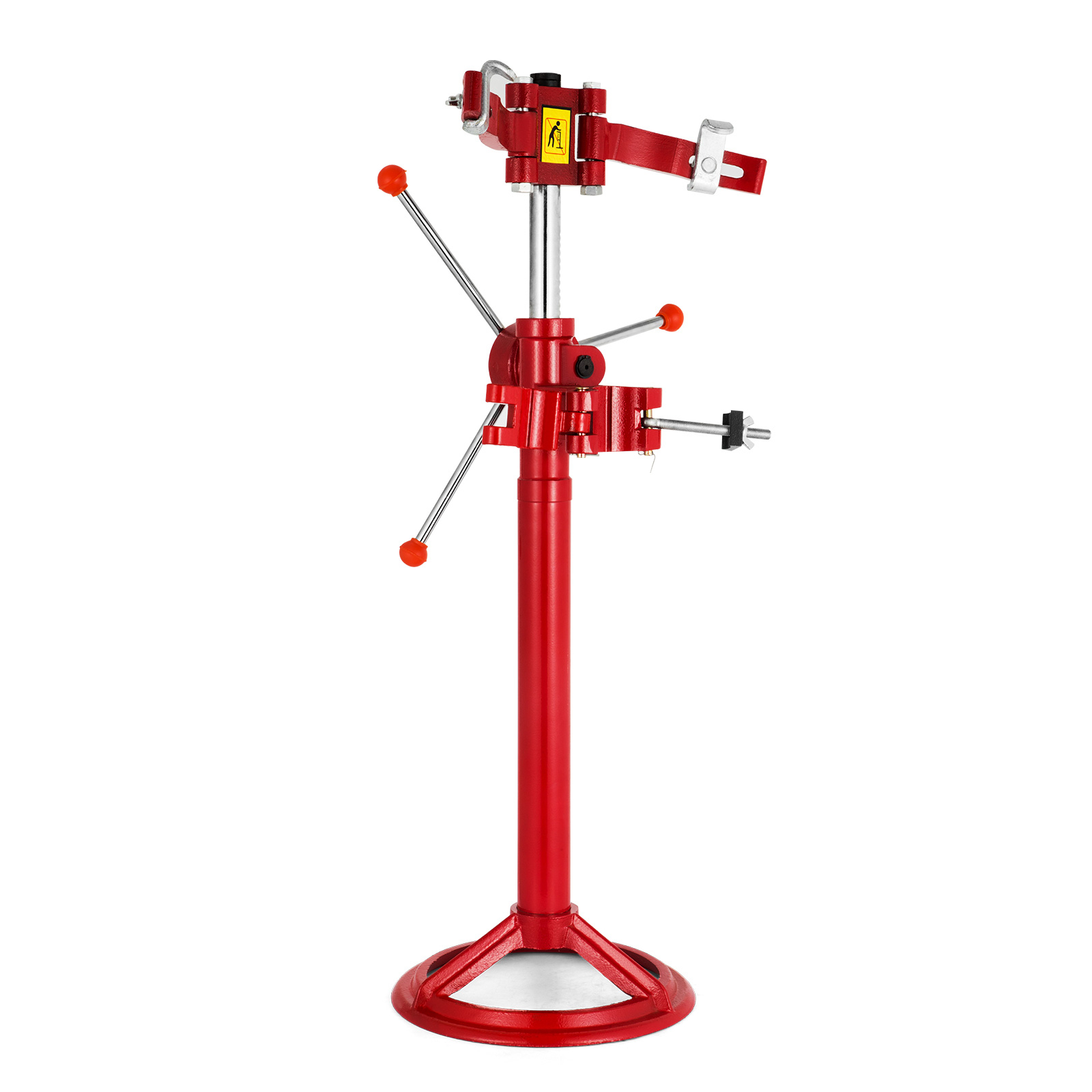
This professional strut spring compressor is made of drop forged steel and has locking pins for safety. It's designed for use on most passenger vehicles, whether domestic or imported, as well as light trucks. Replacement parts are available, and it comes with bilingual instructions. To disassemble the pair, the spring must first be compressed. With MacPherson struts, there’s a housing with an integral bottom spring perch, and an upper perch plate and a bushing at the top that looks a bit like a man’s hat. The bushing contains a bearing, as the whole point of the design of a MacPherson strut is that it absorbs the shock as well as rotates when you steer the car.
Then, simply tighten the clamp until the spring is compressed. If you don’t have a C-clamp, you can try using a length of pipe. Place the pipe over the spring and then use a wrench to twist the pipe, compressing the spring as you go. Using a pry bar, compress the spring by pushing down on the lower control arm. Place the floor jack under the vehicle and raise the vehicle until the spring is compressed. Once the spring is compressed, you can remove the jack and the spring will stay compressed.
Finally, reinstall the front end links to the steering knuckle and hand-tighten these snug. The lower ball joint to lower bracket nut needs to be reinstalled and torqued. Begin by disconnecting the front sway bar end links from the axle on both sides of the vehicle.
Also, it may slide a little bit more than you like, and there have been some complaints that on some larger vehicles it can't grab the spring with both hooks. The OEMTOOLS MacPherson Strut Spring Compressor kit is our pick for the Best Overall Strut Spring Compressor. This is an externally-mounted kit that locks onto the coils of a spring and compresses it for easy removal. Considered "the standard in the industry," this all-steel, premium product does not require any adapters and uses heavy-duty acme thread. It features versatile mounting options and multi-position hooks. It's easy to use, and the safety pins keep everything locked in place.
There are two sets of threaded rod, each with two hooks and pin detents to latch onto the spring coil. You have to work slowly and tighten each side a little at a time, but they can help you safely compress a spring’s height. These compressors are most often seen in repair shops, but they can be affordable for someone who does enough suspension work in their own garage. These strut spring compressors work with threaded handles on large bolts to compress springs for suspension work. These compressors only work on struts and springs that are not installed in a car. They can’t be used on a vehicle, so if you have to compress your spring inside of a wheel well, these are not for you.
Several users have stated they were unable to loosen and remove them after use. I solved this problem by clamping a small Vise Grip on the downward-facing side of each hook to prevent it from sliding. Taking great care to never have the compressed spring aimed at any part of my body, I was able remove the retainer, unscrew the turnbuckle, and remove the spring. This method may take a few tries to get the spring compressed enough, but it will eventually work. Once the spring is compressed, you can remove it from the strut and proceed with your repair. Once the compressor is attached, tighten it until the spring is compressed enough to work on.
Lowering a car suspension is perhaps one of the most common modifications anyone can make on a vehicle. A lowered suspension typically helps increase the aesthetic of a car. That completes the No Spring Compressor Method, which in my opinion is the safest way to handle diassembly and reassembly of shock assemblies at home.




No comments:
Post a Comment